Selling a house in the Tri-Cities
Kennewick, Pasco, Richland and West Richland
Most houses in the Tri-Cities are younger than the ones in Spokane, so buyers ask different questions. Your house gets compared with new construction a few streets over, and in July the air conditioning gets judged the moment the front door opens. Someone will also ask where the yard water comes from and what it costs.
What Tri-Cities houses are like, and who you’re competing with
A large share of Tri-Cities homes were built in the last few decades, often in subdivisions with HOAs and similar floor plans. That makes comparable sales easy to find and makes condition count for more, because a buyer can tour your house and a brand-new one on the same afternoon.
Newer construction is the norm
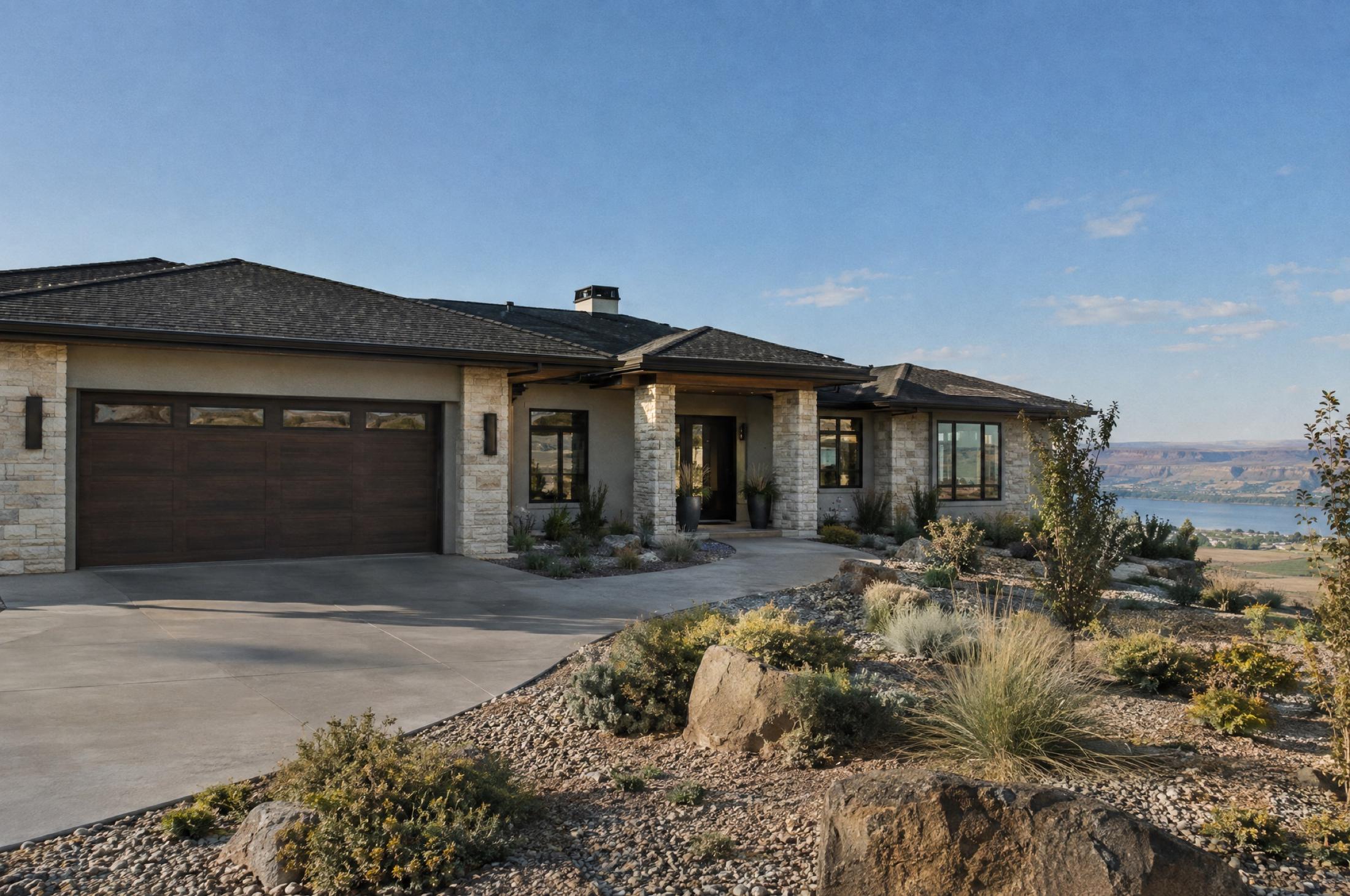
Drive west on Road 68 in Pasco, up into Southridge in Kennewick, or around Badger Mountain in south Richland, and you’ll see the pattern: single-story and two-story homes with stucco or siding and three-car garages. When the house two doors down has your floor plan, buyers compare upkeep: carpet, paint, the yard, the age of the air conditioner.
Competing with the builder
In many parts of the Tri-Cities your most serious competition is a builder with inventory to move. Builders can offer rate buy-downs or closing cost help, plus a builder’s warranty on a brand-new house. You have your own advantages: a finished yard, mature trees, window coverings, a fence already up, and a house that is ready now. Price and present the house with that comparison in mind, because the buyer will make it.
The older houses: alphabet homes and early ranches
Richland’s alphabet houses were built by the federal government, starting during the Second World War, to house Hanford workers, in a handful of standard designs known by letters. They were later sold into private hands, and many have been added onto over the years. Buyers who want one tend to like the history and look closely at the additions, so permits for past work matter. Kennewick and east Pasco have their own older stock of small ranches and cottages near their downtowns, where an as-is cash sale is more often worth a look.
What a buyer inspects in a twenty-year-old house
Air conditioners and water heaters reach the end of their lives on a schedule, and a house built in the mid-2000s is often right there. Inspectors also look hard at stucco cracks and at roof shingles that have baked through twenty summers. Know the ages of your major equipment before a buyer asks.
City by city
Four cities in two counties, Benton and Franklin. Buyers often shop across all four, so it helps to know what sets yours apart.
- Kennewick 99336 · 99337 · 99338
The largest city on the Benton County side, stretching from older neighborhoods near downtown and Columbia Park up to Southridge and the Canyon Lakes area. Kennewick School District. Parts of the city get irrigation water from the Kennewick Irrigation District, which sends its own assessment bill.
- Pasco 99301
The Franklin County seat, across the Columbia from Kennewick. West Pasco has grown fast with newer subdivisions along Road 68 and beyond, while the east side holds older, more modest homes. Pasco School District. Tri-Cities Airport is here, which matters to buyers who travel for work.
- Richland 99352 · 99354
Built up around Hanford and still shaped by it. Alphabet houses in the center, newer neighborhoods at Badger Mountain and Horn Rapids. Richland School District. Buyers here often move on a work schedule, which can help a seller who is ready.
- West Richland 99353
West of Richland across the Yakima River, toward Red Mountain’s vineyards. Larger lots, mostly newer homes, and a few acreage properties with shops or room for animals. Served by the Richland School District. Well and septic arrangements vary more here, so gather that paperwork early.
Selling a Tri-Cities house in the summer heat
Summer is a busy time to sell here, and also the hardest on a house. Keep it cool inside and keep the yard watered for as long as it’s listed, because a warm living room and a brown lawn are the first things a July buyer notices.
Keep the house cool while it’s listed
Afternoons past 100 degrees are part of a Tri-Cities summer. If you’re away during showings, don’t set the thermostat for an empty house. A buyer who steps into an 85 degree living room assumes the air conditioning can’t keep up, whether it can or not. Have the system serviced before listing and keep the receipt in the file. Close the west-facing blinds in the afternoon.
The lawn, the sprinklers and the irrigation water
Much of the Tri-Cities waters its yards with irrigation water that is separate from the drinking water system and delivered by an irrigation district or the city. Buyers will ask which system serves the house and what it costs. Walk every sprinkler zone and fix broken heads well before photos, so a tired lawn has time to come back. Irrigation water is shut off for the off-season, so a fall listing should have the system blown out and documented.
Wind, dust and smoke
A windy afternoon can put a film of dust on every sill and window. Clean the day before photos and again before a big weekend of showings. Late summer wildfire smoke sometimes keeps people indoors for days at a time. Expect fewer showings during a smoky stretch.
Pools, solar panels and the garage
If you have a pool, keep it clean and running, with its fencing and any safety cover in order. Leased solar panels need the buyer to qualify with the solar company to take over the lease, which takes time, so start that conversation early. Garages get very hot; move paint and aerosol cans out before buyers start opening the door.
The rest of the year
Tri-Cities winters are milder than Spokane’s, but they still freeze. A listing between November and February should have its sprinklers blown out and its heat pump serviced for heating as well as cooling. Fewer buyers are out, and many of those who are have a move date.
Moving on a Hanford or PNNL schedule
A lot of moves into and out of Richland and West Richland are tied to work at the Hanford site or Pacific Northwest National Laboratory. Contracts change, and a start date somewhere else doesn’t wait for a house to sell. If an employer relocation program is involved, read its terms before you list: some programs include their own buyout process, and their rules can affect what you’re allowed to sign with anyone else.
Carrying two mortgages is where people get squeezed. That is the situation where a cash offer request is worth running alongside a listing plan, so you know your floor before you commit to anything.
Cash offer or listing in the Tri-Cities
For a newer home in good condition, a listing usually nets more. A cash buyer’s profit on a house that needs nothing has to come out of the price, so the gap between the two numbers tends to be widest here.
The cash route makes more sense for an older house near downtown Kennewick or in east Pasco that needs real work, or when the calendar is the problem. I lay both out on one page with the costs taken out. How a cash offer request works
Send the address of your Tri-Cities house, and I’ll show you what each way leaves you.
I’ll look at the sales around you, from Southridge to Horn Rapids, and tell you which way I’d go if it were my house.
206.940.0942